

Optimizing Your Audio Setup: The Role of Point Source Speakers in Pro Audio
Understanding and Utilizing Point Source Speakers for Enhanced Sound Quality
In the world of professional audio, point source speakers play a crucial role in delivering clear, consistent sound across various applications. Whether you’re setting up a small FOH (Front of House) system, stage monitoring, or near-field sound reinforcement, understanding how to effectively deploy these speakers can significantly enhance your overall audio experience.
What Are Point Source Speakers?
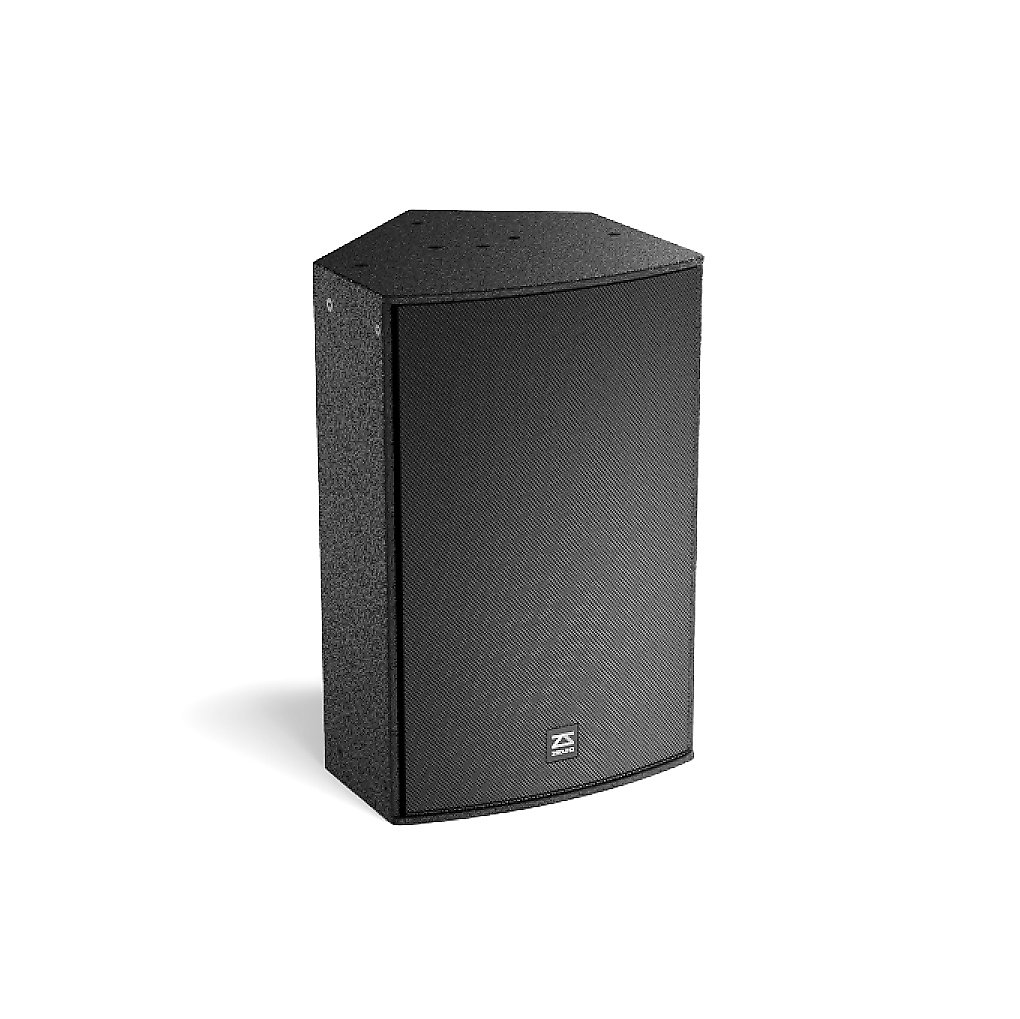
A point source speaker, like our R12P-III, is designed to emit sound from a single point, providing even coverage over a wide area without the need for complex configurations typically associated with line arrays. This makes them ideal for smaller venues where space and budget constraints are key considerations. The R12P-III, featuring a 12-inch long throw rubber edge LF driver, delivers elastic bass and smooth high-frequency response, ensuring listeners enjoy a balanced sound regardless of their position relative to the speaker.
Applications and Benefits
When it comes to specific use cases, point source speakers excel in several areas:
- Small FOH Systems: In settings such as small clubs or bars, a pair of well-placed point source speakers can provide ample coverage while maintaining clarity and intelligibility.
- Stage Monitoring: For performers needing to hear themselves and their bandmates clearly, point source monitors offer reliable, focused sound that cuts through on-stage noise.
- Near-Field Sound Reinforcement: In environments where close-up sound quality matters, such as conference rooms or intimate performance spaces, point source solutions ensure every word and note is heard with precision.
Tips for Optimizing Your Setup
To get the most out of your point source speaker setup, consider the following tips:
- Placement: Positioning is key. Aim to place speakers at ear level for seated audiences and slightly higher for standing crowds. Avoid placing speakers too close to walls or corners to prevent unwanted reflections.
- Angle Adjustment: Take advantage of the rotatable 80×50° directivity horn found in models like the R12P-III. Adjusting the angle can help target sound more precisely, reducing spill into unoccupied areas.
- DSP Settings: If using a self-powered speaker with built-in DSP, experiment with different presets to find the one that best suits your venue’s acoustics. Fine-tuning EQ and crossover settings can make a significant difference in sound quality.
By leveraging the unique capabilities of point source speakers, we can create powerful, versatile audio setups that meet the demands of modern venues. Whether you’re a seasoned sound engineer or just starting out, investing time in understanding these principles will pay off in the form of better sounding events and happier clients.
Leave a Reply