
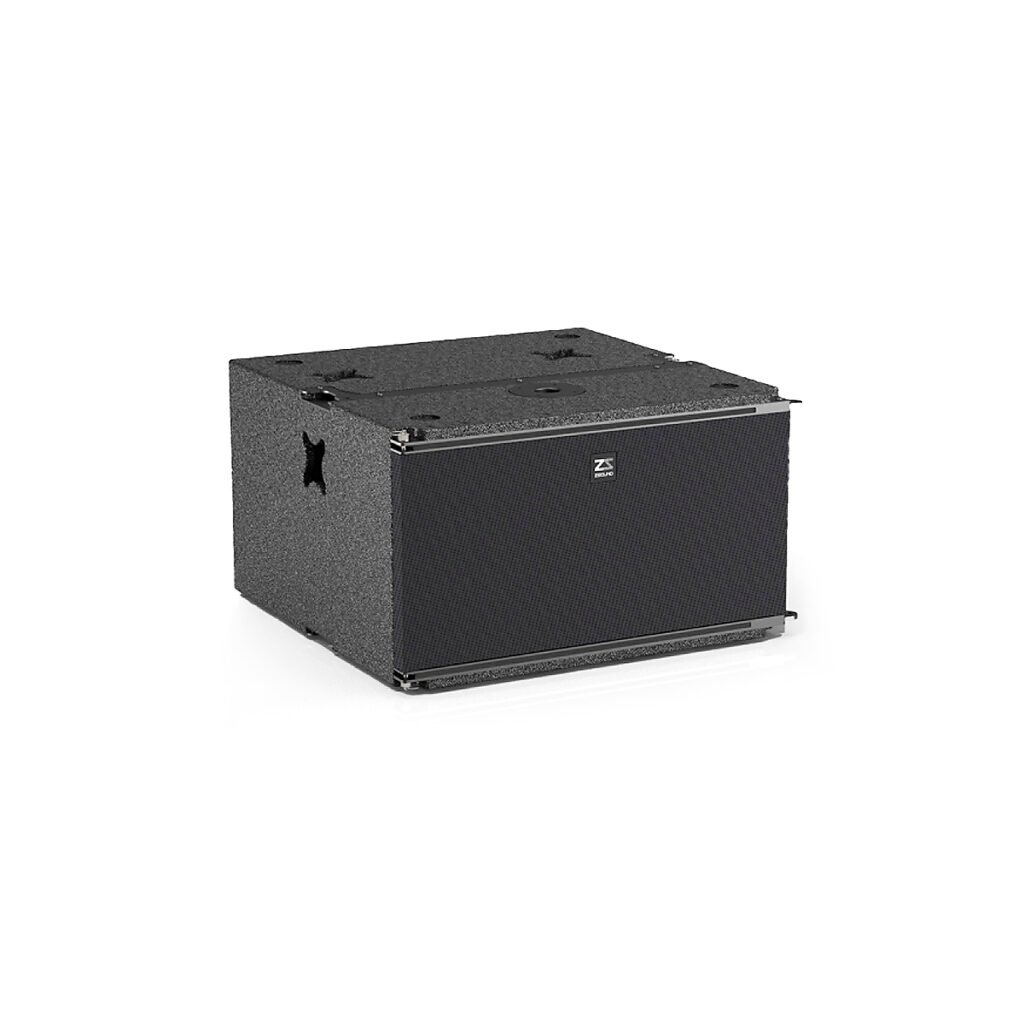
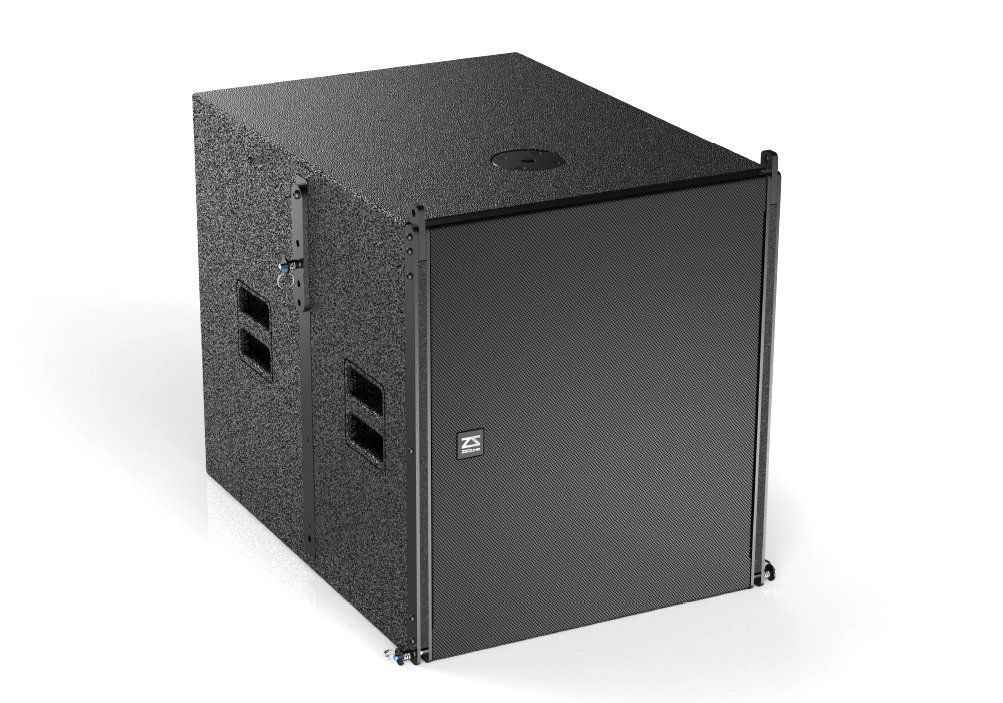
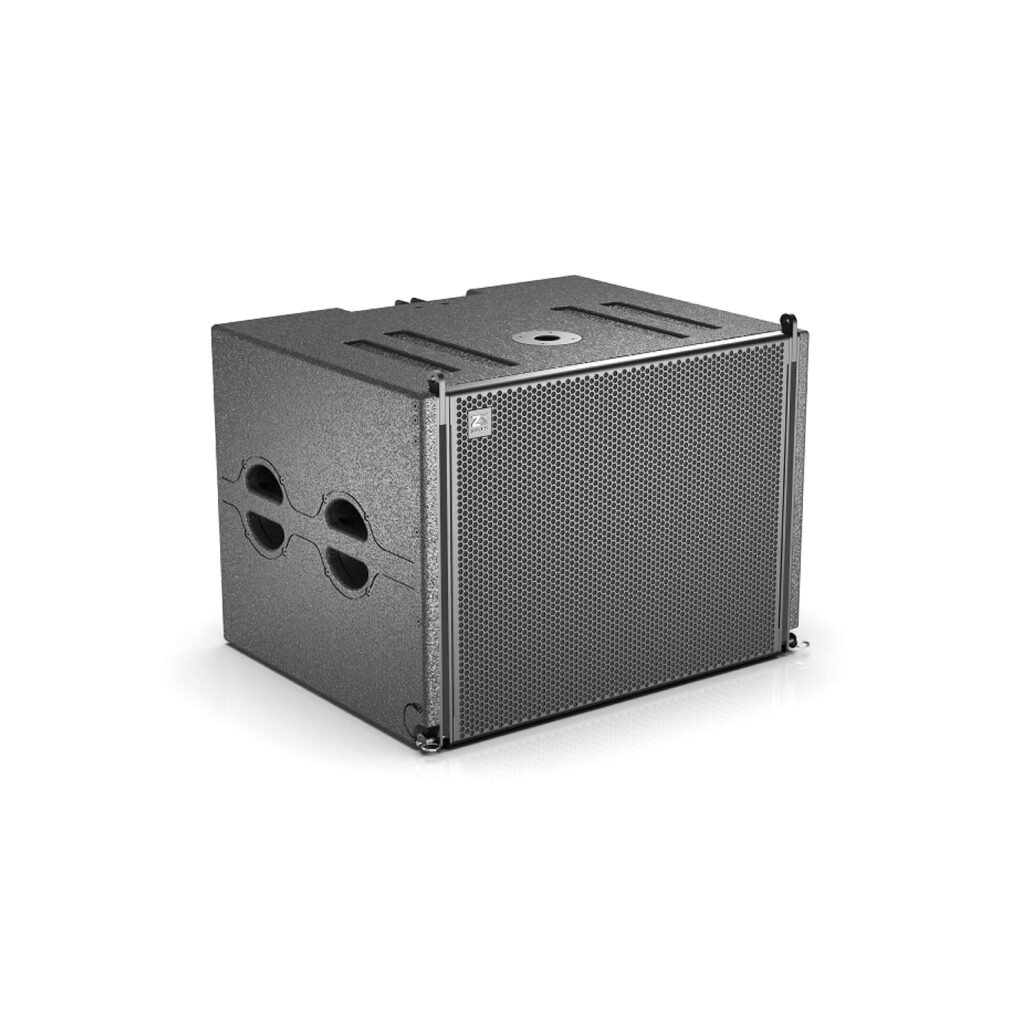
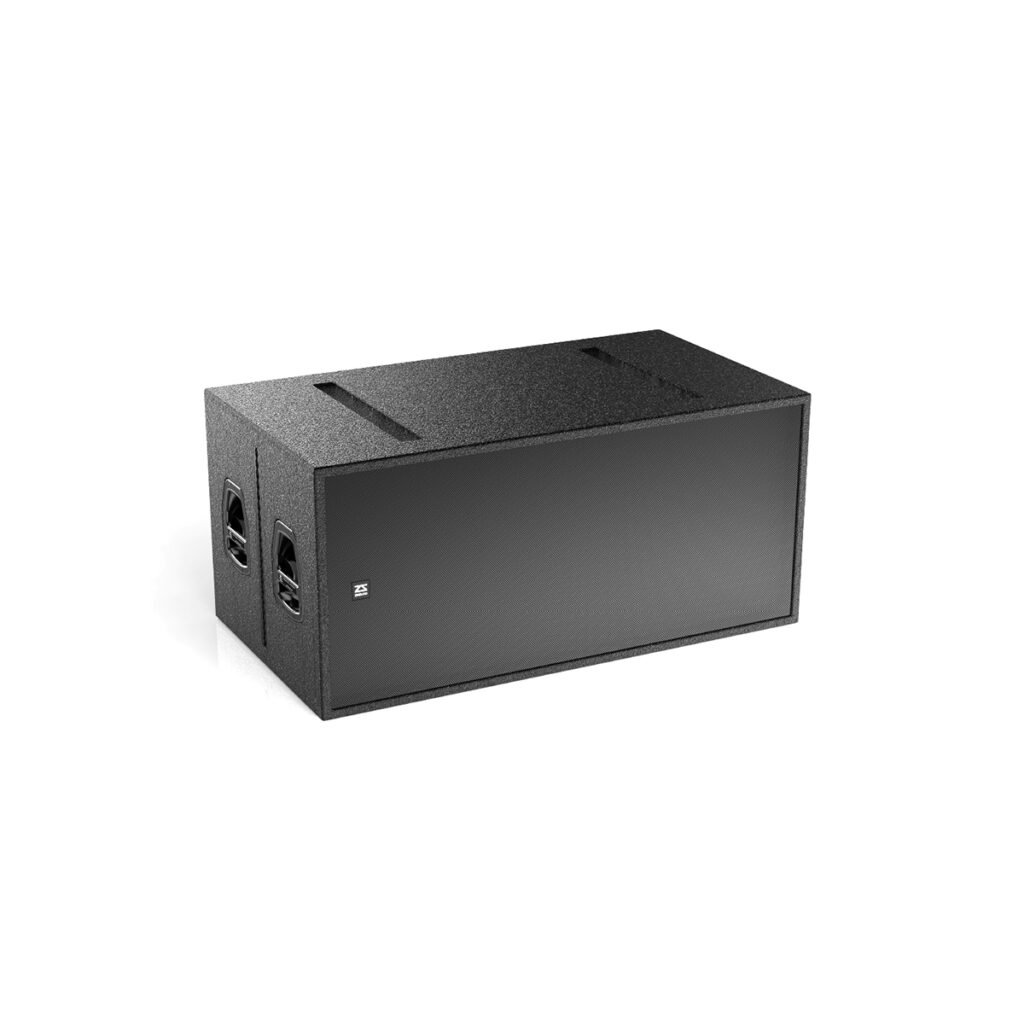
The Definitive Guide to Professional Subwoofer Systems
In the hierarchy of sound reinforcement, the foundation of emotional impact always rests in the low end. A Professional Subwoofer (a specialized loudspeaker dedicated to reproducing the lowest audible frequencies, typically between 20 Hz and 120 Hz) is the literal heartbeat of a high-performance audio system. Whether you are feeling the kick drum of a rock band in a stadium or the deep synthesis of an EDM track in a nightclub, the subwoofer provides the physical weight that full-range speakers cannot achieve on their own.
Active vs. Passive: Choosing the Right Power Architecture
When selecting a low-frequency solution for your venue, the first major decision involves power management. ZSOUND offers two primary configurations to suit different installation needs:
- Active Subwoofers (Self-Powered): These units, such as the LC10SP-III or the LA208SP-III, feature integrated Class D amplifier modules (high-efficiency electronic circuits that provide massive power while generating very little heat). This “all-in-one” design is perfect for mobile touring or venues where equipment rack space is limited. With a built-in DSP (Digital Signal Processing—a computer chip that optimizes the audio signal to protect the driver), these units are virtually plug-and-play.
- Passive Subwoofers: Models like the SW218 or the S18BII require an external power amplifier to function. While this setup involves more cabling, it is often preferred for permanent installations in theaters or churches because the electronics can be stored in a climate-controlled room, making long-term maintenance easier.
ZSOUND Innovation: Neodymium Drivers and Cardioid Control
At the core of every ZSOUND Professional Subwoofer is a commitment to engineering efficiency. Many of our flagship models, including the massive LS21 and the VCD15, utilize neodymium magnets (a rare-earth element used to create high-strength magnets that are significantly lighter than traditional ferrite magnets). This high-sensitivity design allows a 21-inch woofer to deliver a staggering 140 dB peak SPL (Sound Pressure Level—the scientific measurement of how loud a speaker can perform) while remaining light enough for easy transport.
Furthermore, we are experts in Cardioid Subwoofer Arrays (an advanced arrangement of speakers that uses intentional wave interference to cancel sound at the rear of the cabinet). This technology is essential for keeping bass off the stage so that performers can hear themselves clearly, while directing all the energy toward the audience. To create a truly immersive environment, many high-end clubs pair this powerful low-end with sophisticated event atmosphere designs to synchronize the pulse of the music with dynamic visual cues.
Matching the Woofer Size to Your Venue Requirements
The scale of your venue dictates the size and number of subwoofers required to provide uniform coverage. As a critical partner to our Line Array Speaker systems, our subwoofers are scaled for every application:
- Compact Solutions: The S12 is a 12-inch unit featuring a 75mm voice coil (the coil of wire that moves the speaker cone to create sound). It is ideal for dining bars and high-end meeting rooms where the goal is a rich, warm background sound rather than room-shaking volume.
- The Touring Standard: The SW218 is a dual 18-inch powerhouse capable of 3000W AES power rating (a standard measurement of how much continuous power a speaker can handle). This is the workhorse for large-scale outdoor concerts and stadium tours.
- Extreme Low Frequency: For the most demanding applications, the S221 utilizes a massive 21-inch driver and a 135mm voice coil. It reaches down to 27 Hz, providing the “sub-bass” (frequencies that are often felt more than heard) required for modern cinema and electronic music.
Frequently Asked Questions (FAQ)
Q: Can I mix active and passive subwoofers in the same system? A: While technically possible, it is not recommended. Different internal electronics can lead to phase misalignment (where sound waves from different speakers cancel each other out), resulting in a loss of total bass impact.
Q: Do I need a crossover for my subwoofer? A: Yes, a crossover (an electronic filter that divides the audio signal into different frequency ranges) is necessary to ensure the Professional Subwoofer only receives low frequencies, while your Point Source Speaker handles the mids and highs.
Q: Is Polyurea paint really waterproof? A: Our Polyurea finish is a specialized, plastic-like protective coating that is highly resistant to moisture and physical impact. While it makes the cabinets suitable for outdoor use, we always recommend using weather covers during heavy rain to protect the internal drivers.